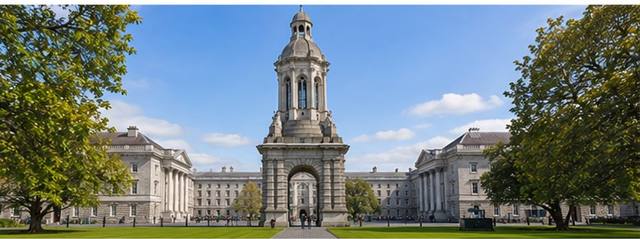
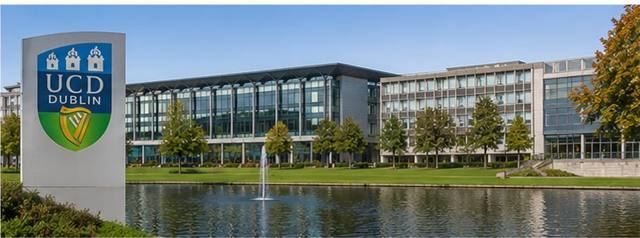
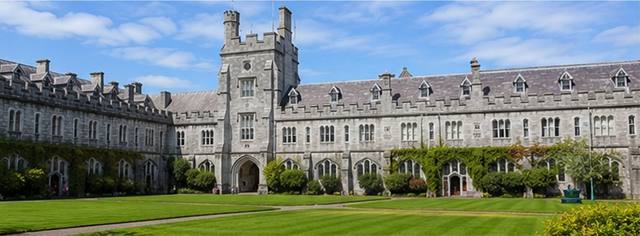
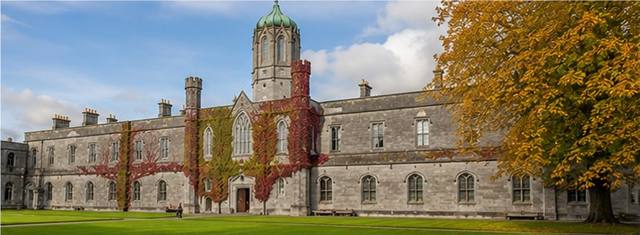
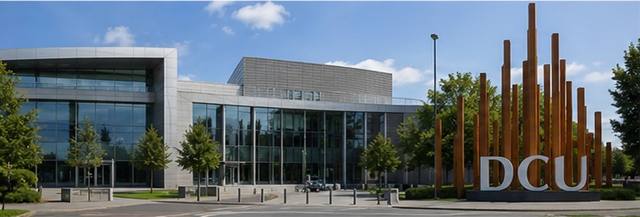
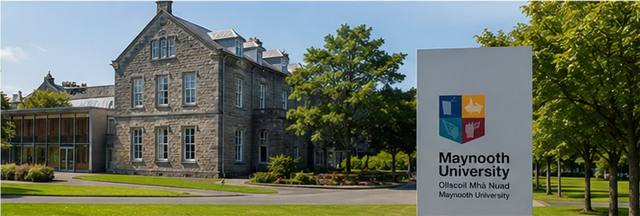
The English-speaking gateway to Europe — home to Google, Apple, Meta, and world-class universities.
9
Universities
32K+
Int'l Students
2 yrs
Stay-Back (3rd Level Grad)
EU/EEA
Gateway
Why Ireland?
6 Reasons to Study in Ireland
🌍
English-Speaking EU Member
Ireland is the only native English-speaking country in the EU, making it uniquely attractive for students who want an English-language degree with access to European opportunities.
💻
Tech Capital of Europe
Google, Apple, Meta, Twitter, LinkedIn, and Microsoft all have their European headquarters in Ireland. IT and business graduates enter a booming job market.
🏰
Rich Culture & History
Ireland's literary tradition, vibrant pub culture, stunning landscapes, and friendly people make it one of the most enjoyable countries to live and study in.
💼
Third Level Graduate Programme
After graduating, stay in Ireland for 2 years (1 year for NFQ Level 7, 2 years for Level 8+) to find work. This is one of the most flexible post-study schemes in the EU.
✈️
Gateway to Europe
Dublin Airport connects to all major European cities. Living in Ireland gives easy access to internships, jobs, and travel across the EU.
🤝
Welcoming & Safe
Ireland consistently ranks as one of the friendliest countries for international students. The Celtic spirit of hospitality (céad míle fáilte — a hundred thousand welcomes) is genuine.
Budget Planning
Cost of Studying in Ireland
Expense
Estimated Range
Undergraduate tuition
€10,000 – €25,000/yr
Postgraduate tuition
€10,000 – €35,000/yr
MBA (top schools)
€25,000 – €60,000
Living expenses (Dublin)
€12,000 – €18,000/yr
Living expenses (other cities)
€8,000 – €12,000/yr
Student visa fee
€60 – €100
💡 Dublin has high rental costs. Galway, Cork, and Limerick offer lower living costs while maintaining excellent universities and vibrant student culture.
What to Study
Popular Courses
Computer Science & CybersecurityBusiness & FinancePharmaceutical SciencesEngineeringLawNursingAgricultural SciencesCreative Arts
Receive Letter of Acceptance from an Irish university
2
Gather documents: financial proof (€7,000+ in savings), health insurance, accommodation proof
3
Apply online via AVATS (Automated Visa Application Tracking System)
4
Submit supporting documents at Irish Embassy or VFS Global centre
5
Biometrics and interview if requested
6
Receive visa — register with GNIB/IRP within 90 days of arrival
Common Questions
Frequently Asked Questions
Can I work in Ireland while studying?
Yes. Non-EU students enrolled in a full-time programme can work up to 20 hours per week during term time and 40 hours per week during official vacation periods (June to September and December to January).
What is the Third Level Graduate Programme?
Non-EEA graduates of Irish NFQ Level 8+ programmes (bachelor's honours, master's, PhD) can stay in Ireland for up to 2 years to seek employment. This is a non-renewable permission and is not a step directly to permanent residency, but enables you to apply for a work permit.
Is Ireland safe for international students?
Yes — Ireland consistently ranks among the safest countries in Europe. Crime rates are low and the country has a welcoming attitude towards international students and workers.
How does Ireland compare to the UK for international students?
Both offer English-language education and post-study work rights. Ireland offers EU membership and access to European opportunities. The UK has more universities and higher ranking overall. Costs are comparable. Ireland has faster visa processing in many cases.