Ancient culture meets cutting-edge technology — world-class universities with affordable tuition and unique career opportunities.
3
Top-100 Universities
350K+
Int'l Students
¥0
Tuition (Scholarships)
#3
World Economy
Why Japan?
6 Reasons to Study in Japan
🏯
Unique Cultural Experience
Japan offers a one-of-a-kind blend of ancient tradition and modern innovation. Living in Japan gives students an unparalleled cultural and personal development experience.
🔬
Research Excellence
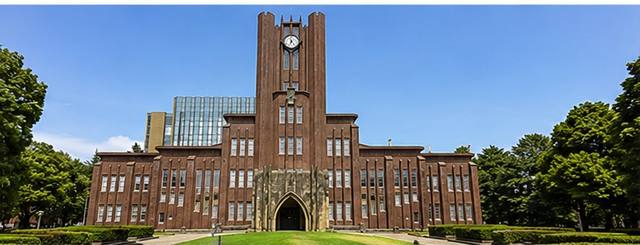
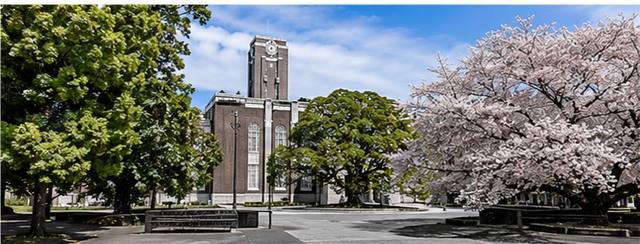
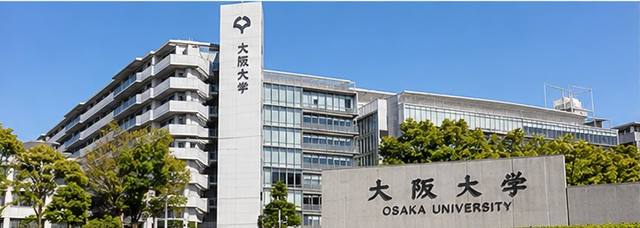
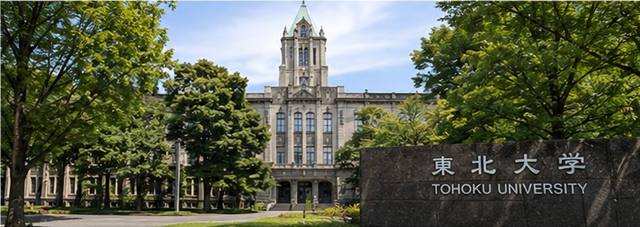
Japan has produced 29 Nobel Prize winners. Universities like Tokyo, Kyoto, and Osaka rank in the world's top 100 for STEM, engineering, and life sciences research.
💰
Affordable Tuition
National university tuition is approximately ¥535,800/year (~A$5,500). Many scholarships — including the MEXT government scholarship — cover full tuition and living expenses.
💼
Tech & Auto Industry
Japan is home to Toyota, Sony, Panasonic, Nintendo, Softbank, and hundreds of global technology companies. Engineering and IT graduates have strong employment prospects.
🗾
Safe & Orderly
Japan is consistently ranked among the safest countries in the world. Low crime, reliable public transport, and extremely high quality of life make it an excellent place to study.
🌸
Gateway to Asia-Pacific
Japan's central position in East Asia and its role as a global economic power makes a Japanese degree highly valuable for careers across the Asia-Pacific region.
Budget Planning
Cost of Studying in Japan
Expense
Estimated Range
National university tuition
¥535,800/yr (~A$5,500)
Private university tuition
¥900,000 – ¥1,500,000/yr
English-taught programmes
¥600,000 – ¥2,000,000/yr
Living expenses (Tokyo)
¥150,000 – ¥200,000/month
Living expenses (other cities)
¥80,000 – ¥130,000/month
Student visa fee
~A$40 (varies by country)
💡 With MEXT or JASSO scholarships, total costs can be near zero. Japan is one of the most affordable developed countries for international study.
Eligible: All international students (government-sponsored)
Full tuition + ¥117,000/month stipend
JASSO Scholarships
Eligible: Based on academic merit and financial need
¥48,000 – ¥80,000/month
University Scholarships
Eligible: High-achieving international students
Partial to full tuition
JICA Development Scholarships
Eligible: Students from developing countries
Full coverage
Verified Reviews
Consultancies for Japan
Real student ratings — not paid placements.
Loading consultancies...
Step by Step
Student Visa (College Student Status)
Fee: ~¥3,000 (varies by country)Processing: 2–4 weeks
1
Receive Certificate of Eligibility (COE) from your Japanese institution — they apply on your behalf
2
Apply for Student Visa at the Japanese Embassy or Consulate in your country with the COE
3
Submit passport, visa application form, photo, and any additional required documents
4
Receive visa — typically within 2–4 weeks
5
Travel to Japan and register your address at the local municipal office within 14 days
Common Questions
Frequently Asked Questions
Do I need to speak Japanese to study in Japan?
Not necessarily. Over 1,000 English-taught programmes are available at Japanese universities, particularly at postgraduate level. However, learning basic Japanese significantly improves your daily life and employment prospects.
What is the MEXT scholarship and how do I apply?
The MEXT (Monbukagakusho) scholarship is Japan's flagship government scholarship covering full tuition, a living stipend (~¥117,000/month), and travel costs. You apply through the Japanese Embassy in your country or directly through a Japanese university. Competition is high — strong academic results are essential.
Can I work part-time while studying in Japan?
Yes. Student visa holders can apply for a "Permission to Engage in Activity other than that Permitted under the Status of Residence" permit, which allows up to 28 hours/week of part-time work during term and full-time during holidays.
How hard is it to find work in Japan after graduating?
Japan has an active "Japan in Asia" jobs programme and a significant shortage of skilled workers in technology, engineering, and healthcare. Japanese language ability dramatically improves your employment prospects. The Specified Skilled Worker visa and Engineer/Specialist in Humanities visa are common post-study pathways.
Still have questions?
Ask an expert about studying in Japan
Get instant AI-powered answers to your visa, costs, and application questions.