Four of the world's top 10 universities, shorter degrees, and 2-year post-study work rights.
24
Russell Group Unis
600K+
Int'l Students
2 yrs
Graduate Route Visa
#2
Study Destination
Why United Kingdom?
6 Reasons to Study in United Kingdom
🏛️
Ancient & Modern Excellence
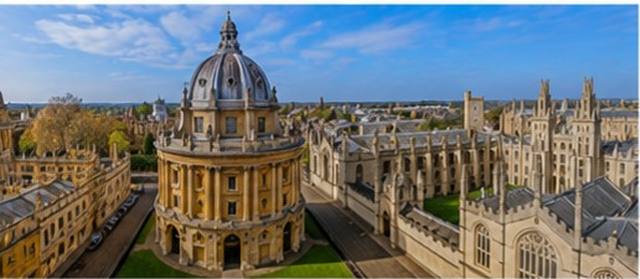
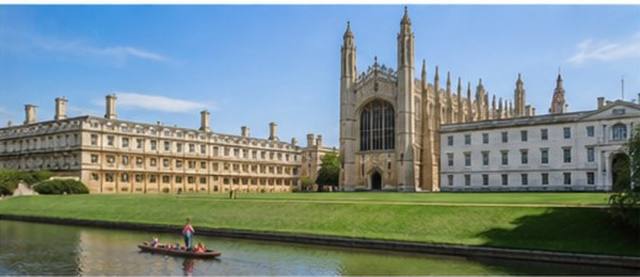
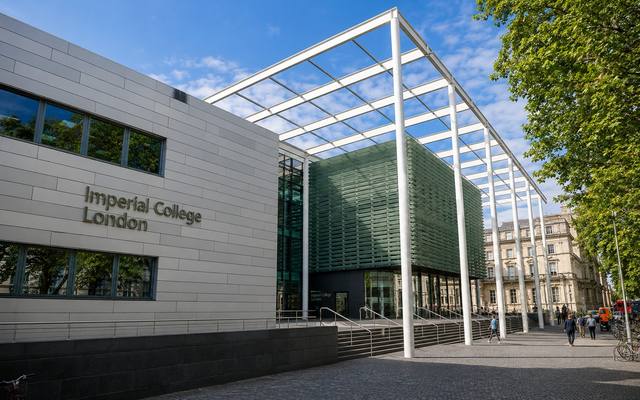
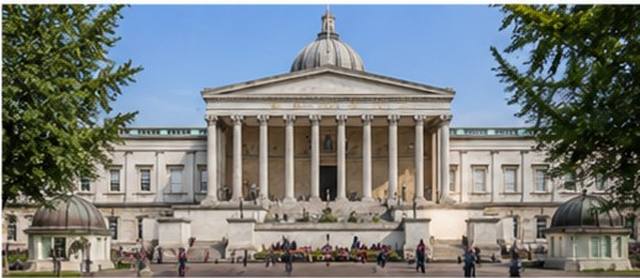
Oxford, Cambridge, Imperial, and UCL rank in the world's top 10. 24 Russell Group universities set the global benchmark for research.
⏱️
Shorter Degrees, Lower Total Cost
Bachelor's degrees take 3 years (not 4). Master's programmes are typically 1 year. You pay less tuition and enter the workforce faster.
💼
Graduate Route Visa
2 years to live and work in the UK after graduation — 3 years for PhD graduates. No job offer required. One of the most flexible post-study schemes globally.
🌍
Global Career Advantage
A UK degree carries exceptional global recognition. The UK is home to major financial, technology, legal, and creative industries.
🗺️
Gateway to Europe
The UK's central time zone and transport links make European travel and internships easily accessible.
🏥
NHS Healthcare Access
International students pay the Immigration Health Surcharge (£776/yr) and receive access to the National Health Service — comprehensive healthcare included.
Budget Planning
Cost of Studying in United Kingdom
Expense
Estimated Range
Undergraduate tuition
£10,000 – £38,000/yr
Postgraduate tuition
£10,000 – £30,000/yr
MBA (top schools)
£30,000 – £60,000/yr
Living expenses (London)
£12,000 – £18,000/yr
Living expenses (other cities)
£8,000 – £12,000/yr
Immigration Health Surcharge
£776/yr (student rate)
💡 London is significantly more expensive than other UK cities. Manchester, Birmingham, Leeds, and Edinburgh offer high-quality education at lower living costs.
Receive Confirmation of Acceptance for Studies (CAS) from your university
2
Check your visa start date — apply no earlier than 6 months before
3
Complete the UK Student Visa online application
4
Pay the visa fee (£363) and Immigration Health Surcharge (£776/yr)
5
Book and attend a biometric appointment
6
Receive decision — usually within 3 weeks
Common Questions
Frequently Asked Questions
Is a UK degree recognised worldwide?
Yes — a UK degree from a recognised institution carries global prestige and is accepted by employers and universities worldwide. The QAA (Quality Assurance Agency) maintains standards across all UK universities.
Can I work while studying in the UK?
Yes. Most student visa holders can work up to 20 hours per week during term time and full-time during holidays. Check your CAS letter for specific work restrictions as they vary by study level.
What is the Graduate Route Visa?
The Graduate Route allows international students who have completed a UK degree to live and work (or look for work) in the UK for 2 years (3 years for PhD). No job offer is needed to apply.
How much does it cost to study in London vs other cities?
London living costs are typically £5,000–£8,000 more per year than cities like Manchester, Leeds, Birmingham, or Glasgow. Many world-class universities are outside London — consider this when budgeting.
What is UCAS?
UCAS (Universities and Colleges Admissions Service) is the centralised application system for UK undergraduate programmes. You apply through UCAS rather than directly to universities, and can apply to up to 5 programmes simultaneously.