HomeStudy AbroadStudy in Germany
🇩🇪

Study in Germany

Most public university programmes are free — Europe's largest economy and engineering powerhouse.

400+
Universities
€0
Tuition (Public)
18 mo
Post-Study Job Search
#1
EU Study Destination
Why Germany?

6 Reasons to Study in Germany

🆓
Virtually Free Education
Most public German universities charge no tuition fees regardless of nationality — only a semester fee of €150–€350 for administration and transport.
🏭
Engineering & Automotive Capital
Germany is home to BMW, Volkswagen, Siemens, Bosch, and SAP. Engineering, manufacturing, and technology graduates have exceptional career prospects.
🔍
World-Class Research
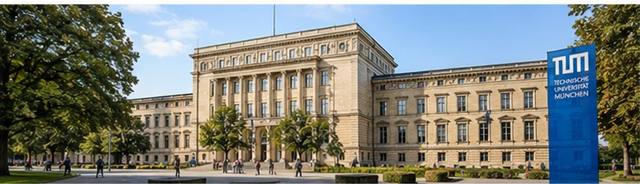
The Technical University of Munich, LMU Munich, and Heidelberg rank in the global top 50. Germany invests more in R&D than most European nations.
🌍
Central European Location
Studying in Germany puts you at the heart of Europe — day trips to France, Netherlands, Austria, and Switzerland are easy and affordable.
💼
18-Month Job Search Visa
After graduation, you get 18 months to find skilled employment in Germany. If you secure a job paying the minimum salary, you can convert to a work visa and eventually permanent residency.
🗣️
English-Taught Programmes
Over 1,500 English-taught Master's programmes are available — you don't need to speak German to study, though learning basic German dramatically improves daily life and job prospects.
Budget Planning

Cost of Studying in Germany

ExpenseEstimated Range
Tuition (public universities)€0/yr (most programmes)
Semester fee (admin + transport)€150 – €350/semester
Tuition (private universities)€5,000 – €20,000/yr
Living expenses (major cities)€900 – €1,400/month
Living expenses (smaller cities)€650 – €950/month
Student visa / blocked account€11,208/yr blocked account required
💡 Munich and Frankfurt are the most expensive cities. Berlin, Leipzig, and Dresden offer excellent university campuses at significantly lower living costs.
What to Study

Popular Courses

Mechanical EngineeringElectrical EngineeringComputer ScienceAutomotive EngineeringBusiness AdministrationChemistry & PhysicsEnvironmental EngineeringRobotics & AI
Where to Study

Top Universities

1
Technical University of Munich (TUM)
2
LMU Munich
3
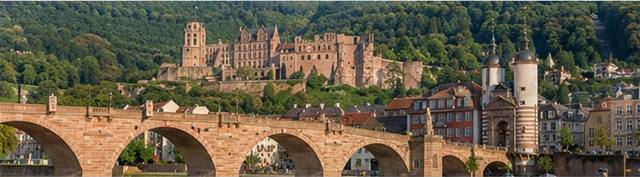
Heidelberg University
4
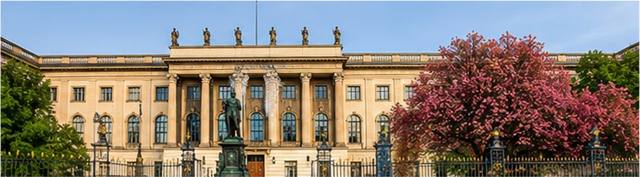
Humboldt University Berlin
5
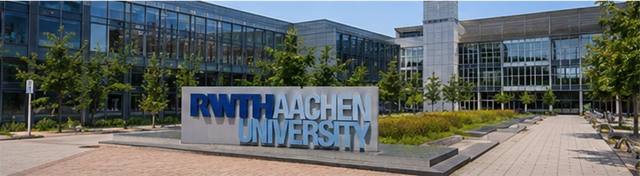
RWTH Aachen University
6
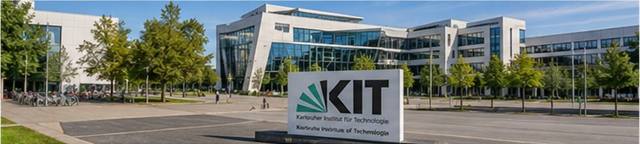
Karlsruhe Institute of Technology
7
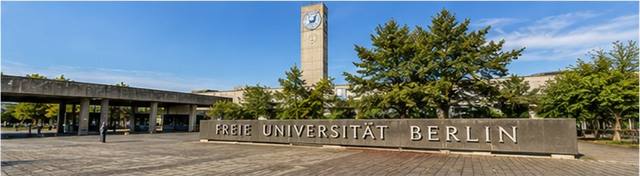
Free University Berlin
8
University of Stuttgart
When to Apply

Intake Dates

Recommended
Winter Semester (Main)
October
Apply: May – Jul (German: Apr-Jul)
Main intake — most programmes begin here
Summer Semester
April
Apply: Nov – Jan
Limited programmes — some universities only
English Proficiency

Language Requirements

TestDaF / DSH
TDN 4 (German)
Required for German-taught programmes
Full guide →
IELTS
6.0 – 7.0
For English-taught programmes
Full guide →
TOEFL
80 – 100 (IBT)
For English-taught programmes
Full guide →
PTE
54 – 65
Accepted by many institutions
Full guide →
Funding Your Studies

Scholarships in Germany

DAAD Scholarships
Eligible: International students and researchers
€850 – €1,200/month + extras
Deutschlandstipendium
Eligible: High-achieving students at German universities
€300/month
Heinrich Böll Foundation
Eligible: Graduate and PhD students
€850/month + extras
Konrad-Adenauer-Stiftung
Eligible: Graduate students
€850/month
Verified Reviews

Consultancies for Germany

Real student ratings — not paid placements.

Loading consultancies...

Step by Step

German Student Visa (Visum zu Studienzwecken)

Fee: €75Processing: 4–12 weeks
1

Receive admission letter from a German university (Zulassungsbescheid)

2

Open a blocked account (Sperrkonto) with €11,208 at recognised bank (Deutsche Bank, Fintiba, etc.)

3

Book appointment at German Embassy or Consulate in your country

4

Submit visa application with blocked account proof, admission letter, and language certificate

5

Attend visa interview

6

On arrival, convert student visa to Residence Permit at local Ausländerbehörde

Common Questions

Frequently Asked Questions

Do I need to speak German to study in Germany?
Not if you choose an English-taught programme. Over 1,500 Master's programmes in Germany are fully taught in English. However, learning basic German (at least A2 level) significantly improves daily life, social integration, and job prospects after graduation.
What is a blocked account (Sperrkonto) and why do I need it?
A blocked account is a German bank account where you deposit €11,208 (the annual living cost threshold set by the German government). You can only withdraw €934 per month. This proves to the visa authorities that you can support yourself financially during your studies.
Can I work while studying in Germany?
Yes. Non-EU students can work up to 120 full days or 240 half-days per year without needing a work permit. This typically equates to working part-time during term and full-time during breaks.
How can I apply to public German universities?
For most programmes, you apply directly to the university. Some use uni-assist, a central service for international applications. Deadlines vary — typically 15 July for winter semester and 15 January for summer semester.

Explore Other Destinations

🇬🇧 Study in United Kingdom🇮🇪 Study in Ireland🇦🇺 Study in Australia🔍 Find a Consultancy →